

- Key Takeaways
- Table of Contents
- Understanding the Fundamentals of a Student Resume
- Choosing the Optimal Resume Format for Students
- Launching a free Resume Builder Tools Soon – Stay Tuned !
- Chronological Format
- Functional Format
- Combination Format
- Recommendation for Freshers
- Essential Resume Sections for Students
- Contact Information
- Objective/Summary
- Education
- Experience
- Skills
- Awards and Honors
- Extracurricular Activities
- Key Resume Tips for School Students
- Tailoring Your Resume
- Using Action Verbs
- Quantifying Achievements
- Proofreading and Grammar
- Conciseness and Readability
- Formatting for Applicant Tracking Systems (ATS)
- The Power of a Student CV Example
- Leveraging a Resume Builder
- Frequently Asked Questions
Crafting Your Future: The Ultimate Guide to **Resume Format for Students**
Estimated reading time: 10 minutes
Key Takeaways
- A great resume opens doors to internships, jobs, and your dream career.
- Understand the difference between a resume and a CV for international job markets.
- Choose between chronological, functional, or combination resume formats.
- Essential sections include Contact Information, Education, Experience, and Skills.
- Tailor your resume, use action verbs, and quantify achievements for impact.
- Proofread meticulously and ensure your resume is ATS-friendly.
- Consider using a resume builder for assistance with structure and design.
Table of Contents
A great resume is like a special ticket. It can open doors to exciting internships, fun part-time jobs, and even your dream career later on. This guide will show you the best **resume format for students** so you can make a super impression. We will teach you **how to write a resume** that makes you shine! You will learn about picking the right format, organizing important parts, and using clever **resume tips for school students**. We will even look at a real example.
Understanding the Fundamentals of a Student Resume
A resume is a short paper that tells people about you. It lists what you are good at, what you have done, and your skills. It helps employers see if you are the right person for their job.
For students, a good resume is very important. It is often the first thing an employer sees. A strong resume helps you make a good first impression.
Sometimes people talk about a CV. A CV is usually longer than a resume. For most jobs and internships in places like America and Canada, a resume is better. It is shorter and focused on the job you want. This is why learning **how to write a resume** is so useful.
Choosing the Optimal Resume Format for Students
What is the best **resume format for students**? There are a few ways to organize your resume.
Launching a free Resume Builder Tools Soon – Stay Tuned !
Chronological Format
This is when you list your jobs or experiences from the most recent one backwards. It is good if you have had a few jobs or internships, even part-time ones.
Functional Format
This format focuses more on what you can do – your skills. It lists your abilities before your work history. This can be good if you have had a break from work or are trying something new.
Combination Format
This format is a mix. It starts with a summary of your skills, then lists your jobs in order. It is flexible and works well for many students.
Recommendation for Freshers
For students who are just starting out, a **simple resume for freshers** is best. A chronological or combination format is usually the easiest for people to read quickly.
Visual Description of Formats:
- Chronological:
- Your Name and Contact Info at the top.
- A section called “Work Experience” or “Experience.”
- Under that, your most recent job first.
- Then, bullet points describing what you did.
- Followed by older jobs, with bullet points.
- Sections like “Education” and “Skills” would be after.
- Functional:
- Your Name and Contact Info at the top.
- A section called “Skills Summary” or “Areas of Expertise.”
- Under that, different skills are listed with bullet points of what you can do with those skills.
- A shorter section for “Work History” listing job titles and companies, but not details.
- Sections like “Education” would be at the end.
- Combination:
- Your Name and Contact Info at the top.
- A “Skills Summary” section with bullet points highlighting key abilities.
- Then, an “Experience” section.
- Under that, your most recent job first.
- Bullet points describing what you did.
- Followed by older jobs, with bullet points.
- Sections like “Education” would be after.
Essential Resume Sections for Students
Here are the important parts every student resume needs.
Contact Information
- Full Name: Your name as you like it to appear.
- Phone Number: A number where you can be reached.
- Professional Email Address: Use an email like firstname.lastname@email.com. Avoid silly nicknames.
- LinkedIn Profile URL (Optional but Recommended): If you have a LinkedIn profile, add the link.
- City/State: You can include your city and state. You don’t always need your full home address.
Objective/Summary
- Objective: Use this if you are new to jobs or changing what you want to do. It tells people your career goals.
- Example: “Seeking an entry-level marketing internship to use strong math and talking skills from school projects and leading groups.”
- Summary: Use this if you have some experience. It is a short part that tells about your main skills and what you have done.
- Example: “Organized student with experience helping customers and planning events. Good at doing many things and working with others. Wants to help [Company Name] in a [Job Title] job.”
Education
List your school information from the newest to the oldest.
- Degree Name: Like “High School Diploma” or “Associate’s Degree.”
- Major: What you studied, like “Science” or “Art.”
- School Name: The name of your school or college.
- Location: The city and state of your school.
- Graduation Date (or Expected Graduation Date): When you finished or will finish.
- GPA (if 3.0 or higher): Your grade point average.
- Relevant Coursework: List classes that are important for the job you want.
Experience
List jobs, internships, volunteer work, and big school projects. For each one, tell:
- Job Title/Role: What your job was called.
- Organization Name: Where you worked or volunteered.
- Location: The city and state of the place.
- Dates of Employment/Involvement: When you worked or were part of it.
- 3-5 Bullet Points: Use these to say what you did and what you achieved. Start these with strong action words.
Skills
Divide your skills into two types:
- Hard Skills: These are things you learned to do, like using a computer program, speaking another language, or using special tools.
- Examples: Microsoft Word, Google Docs, Spanish, Typing (60 WPM).
- Soft Skills: These are how you act and work with others.
- Examples: Talking well, Working in a team, Solving problems, Being a leader.
Awards and Honors
If you got any special awards or recognition, list them here.
- Academic awards
- Scholarships
- Being on the Honor Roll or Dean’s List
Extracurricular Activities
These are things you do outside of class.
- Clubs you joined
- Sports teams you played on
- Groups you volunteered with
- Mention if you had a leadership role, like being president of a club. This is a great part of **resume tips for school students** to show you are a well-rounded person.
Key Resume Tips for School Students
Here are some important **resume tips for school students** to help you write a winning resume.
Tailoring Your Resume
Make your resume fit the job you are applying for. Read the job description carefully. Use words from the job description in your resume if they fit what you did.
Using Action Verbs
Start your bullet points with strong action words. These words show what you did.
- Managed: I managed the snack bar.
- Developed: I developed a new flyer.
- Created: I created a poster for the event.
- Organized: I organized the books for the library.
- Assisted: I assisted customers with their questions.
- Analyzed: I analyzed the results of our survey.
Quantifying Achievements
Use numbers to show how well you did.
- “Increased customers served by 10% each week.”
- “Handled a budget of $100 for supplies.”
- “Helped more than 30 people find what they needed each day.”
Proofreading and Grammar
Check your resume very carefully for spelling mistakes and grammar errors. Even small mistakes can make a bad impression. Read it out loud or ask a friend or teacher to read it for you.
Conciseness and Readability
Keep your resume to one page. This is important for students. Use clear words that are easy to understand. Leave some white space so it does not look too crowded. This makes it easy to read.
Formatting for Applicant Tracking Systems (ATS)
Many companies use special computer programs called Applicant Tracking Systems (ATS) to read resumes first.
- Use simple, standard fonts like Arial, Calibri, or Times New Roman.
- Use clear headings like “Education” and “Experience.”
- Do not use too many pictures, fancy designs, or tables. These can confuse the ATS.
Learning **how to write a resume** that ATS can read is very important.
The Power of a Student CV Example
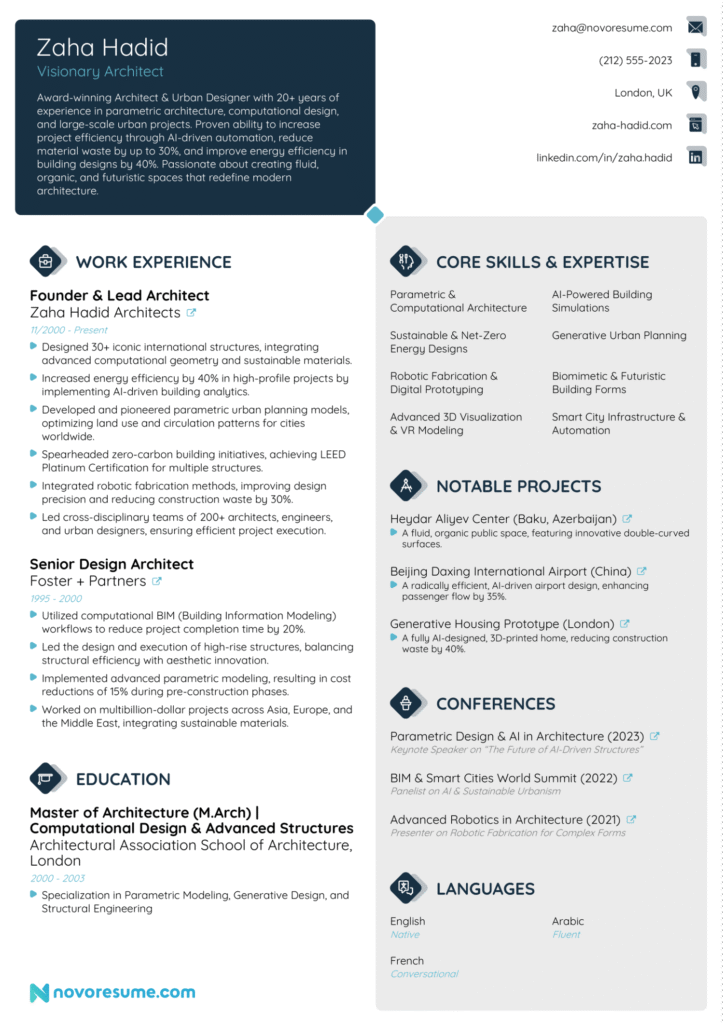
Let’s look at a **student CV example** to see how it all comes together. This example shows how to make a **simple resume for freshers**.
—
[Your Full Name]
[Your Phone Number] | [Your Professional Email Address] | [Your City, State] | [Your LinkedIn Profile URL (Optional)]
—
Objective
Eager and organized high school student seeking a summer internship at a local bakery to apply customer service skills and learn about the food service industry. Passionate about baking and committed to providing excellent service.
—
Education
[High School Name], [City, State]
* Expected Graduation: June 2025
* GPA: 3.7/4.0
* Relevant Coursework: Culinary Arts I, Business Basics, Food Science
—
Experience
Volunteer Camp Counselor, [Camp Name], [City, State]
* Summer 2023
* Supervised and engaged a group of 15 campers aged 8-10 in daily activities.
* Organized and led outdoor games and craft sessions.
* Ensured camper safety and well-being throughout the day.
* Assisted senior counselors with activity planning and setup.
Family Pet Sitter, Various Families, [Your City, State]
* September 2022 – Present
* Provided care for dogs and cats, including feeding, walking, and playing.
* Ensured pets were safe and comfortable in their homes.
* Followed specific care instructions from pet owners.
—
Skills
- Customer Service: Friendly and helpful, good listener.
- Communication: Clear speaking and writing skills.
- Teamwork: Worked well with other counselors.
- Organization: Managed group activities and supplies.
- Computer Skills: Microsoft Word, Google Docs, basic internet research.
- Languages: English (Native), Spanish (Basic conversational)
—
Activities
- Student Council, [High School Name] (2022-Present) – Member
- Participated in school event planning.
- Debate Club, [High School Name] (2021-Present) – Member
- Developed public speaking and argumentation skills.
- Volunteer at Local Animal Shelter, [Shelter Name] (2023) – Volunteer
- Helped with animal care and cleaning.
—
Awards and Honors
- Honor Roll, [High School Name] (Fall 2022, Spring 2023)
—
Why this example is good:
- It clearly shows the student’s contact information.
- The objective states what kind of job the student wants.
- Education details include GPA and relevant classes.
- Experience uses action verbs (Supervised, Organized, Ensured, Provided) and describes responsibilities.
- Skills are divided into categories.
- Activities show involvement and development of skills.
- Awards show academic success.
- It’s all on one page and easy to read.
This example is a great way to see how to make a **simple resume for freshers**.
Leveraging a Resume Builder
Sometimes, using a **resume builder** can be very helpful.
Benefits
- Structure: They give you a clear way to organize your resume.
- Templates: They offer professional-looking designs.
- Formatting: They help make sure everything looks neat.
- Suggestions: Some offer pre-written phrases you can use.
When to Use vs. Manual Creation
A **resume builder** is great if you’re not sure how to start or if you find formatting tricky. But remember, you still need to put in your own information and make sure it’s correct. It’s not just about picking a pretty design.
Tips for Effective Use
- Choose a clean, simple template. It should follow the **resume format for students** we discussed.
- Don’t just copy the examples. Change the words to match your own experiences and achievements.
- Always, always, always check for mistakes after you finish. Builders can still make errors.
- Make sure the final resume can be read by computer programs (ATS-friendly).
Frequently Asked Questions
What is the most important section of a student resume?
While all sections are important, the “Experience” and “Skills” sections are often most crucial for demonstrating your capabilities to potential employers.
Should I include hobbies on my resume?
Generally, it’s best to include hobbies only if they are relevant to the job or demonstrate transferable skills (e.g., leadership in a sports hobby).
How far back should I list my experience?
For students, listing all relevant experience, including volunteer work and school projects, is generally recommended, even if it’s not paid employment.
What’s the difference between a resume and a CV for student applications?
A resume is a concise summary (usually one page) highlighting relevant skills and experience for a specific job. A CV (Curriculum Vitae) is typically longer and more detailed, often used for academic or research positions internationally.
How do I make sure my resume is ATS-friendly?
Use standard fonts, clear headings, avoid excessive graphics or tables, and incorporate keywords from the job description. Simple formatting is key for ATS readability.
You have learned a lot about **how to write a resume** as a student. We covered choosing the right **resume format for students**, organizing every section, and using smart **resume tips for school students**. Remember to make your resume fit each job you apply for and always check for errors.
Now it is your turn! Start building or improving your resume today using the tips you have learned. Creating a **simple resume for freshers** is the first step to a great future!